Quick answer
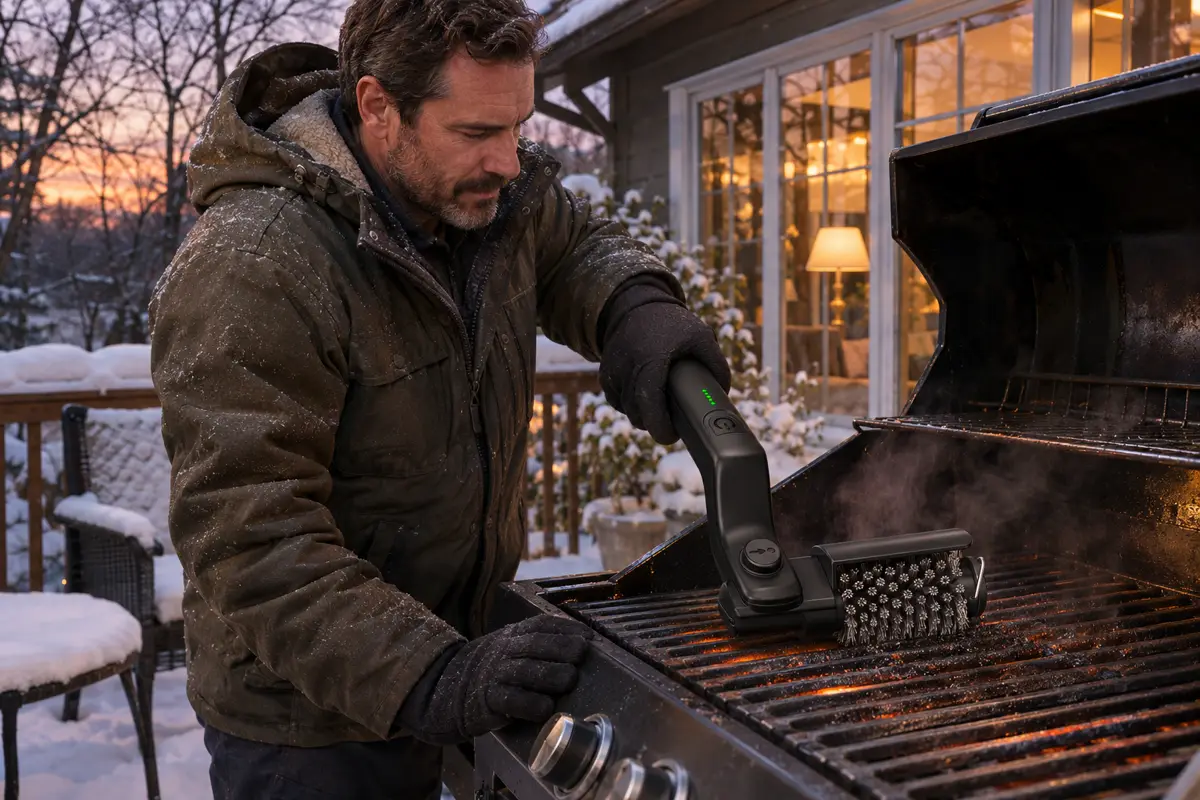
Winter grilling works if you grill outdoors in an open spot, clear snow and ice around the grill, preheat longer with the lid closed, keep a spare propane tank and brush the grates while they are hot so they dry and do not rust. Then follow a simple month-by-month care calendar: a quick brush after every cook all year, a deep clean in spring, mid-summer and fall, and a clean, dry, covered grill for any months you take off. A cordless electric brush like the Joyhnny CleanLock makes the cold-weather brush a 2-minute job.
Grills do not hibernate unless we let them. Holiday steaks, a smoked turkey breast for a December party or burgers on a sunny January Saturday all taste just as good in the cold. Winter does change the routine, though: snow on the patio, slower preheats, more fuel and more moisture sitting on the grates. And what you do now decides whether the grill fires up cleanly in spring. Here is December in detail, then the whole year at a glance.
December: winter grilling, step by step
- Pick a safe, open spot. Fire-safety agencies such as NFPA say grills belong outdoors only, well away from the house, deck railings and overhanging branches. Never pull the grill into the garage or onto an enclosed porch to get out of the wind.
- Clear the snow first. Shovel a path and clear snow and ice from around and under the grill and from the lid, as propane suppliers such as Blue Rhino advise. Check that vents and burner tubes are not blocked by ice or debris.
- Plan for more fuel and time. Cold air and wind slow the preheat. Blue Rhino says winter grilling can take up to twice as much fuel, so keep a spare tank and give the grill extra minutes with the lid down.
- Keep the lid closed. Every peek lets heat escape faster than in summer. Use a probe thermometer so you can check doneness without opening the lid.
- Brush the grates while they are hot. Residue comes off easiest as dry carbon right after cooking, and the heat drives off moisture so the grates stay dry.
- Dress for the grill, not just the weather. Gloves that grip, no loose scarves near the flame, and good boots on an icy patio.
The 12-month grill care calendar
| Month | What changes | Grill care to-do |
|---|---|---|
| December | Cold, snow, holiday cooks | Clear snow, preheat longer, spare tank, brush hot, keep the grill covered between cooks |
| January | Coldest weeks, fewer cookouts | Check the cover after storms; empty snow and water from the lid and tray |
| February | Thaws and freezes | Look for rust spots on grates and firebox; oil bare cast iron |
| March | First warm weekends | Spring deep clean: soak and wash grates, clean burners, empty the grease tray |
| April | Season starts | Leak-test hoses and connections with soapy water; check the brush for wear |
| May | Cookouts every weekend | Brush after every cook; clean the drip tray every few cooks |
| June | Peak grilling | Mid-season check: burners, igniter, grease buildup under the grates |
| July | Holiday cookouts, heat | Deep clean after the Fourth of July; keep the grill away from dry brush |
| August | Late-summer cooks | Replace a worn brush; inspect grates for chips or loose bars |
| September | Tailgates begin | Clean portable grills before and after each trip |
| October | Cooler nights, falling leaves | Fall deep clean; clear leaves from under and behind the grill |
| November | Thanksgiving, first frost | Decide: keep grilling (winter routine) or store (clean, dry, cover, disconnect the tank) |
Winter details that save your grill
Moisture is the real enemy
Cold itself does not hurt a grill; water sitting on grates and in the firebox does. Brush hot, let the grill run a few extra minutes after cooking, and give bare cast iron grates a thin coat of high-smoke-point oil. Our guide on how to clean grill grates covers the routine for each grate type, and porcelain grates have their own rules.
Propane tanks in winter
Store tanks outdoors, upright, off the ground and out of snow, never inside a home or garage, as fire departments advise. Propane does not freeze in normal winter weather, but cold lowers tank pressure, which is one reason grills heat more slowly.
If you take the winter off
Do one last hot burn-off and brush, empty the grease tray and ash, disconnect the tank, and cover the grill once it is completely cool and dry. A grill stored clean starts clean in March.
Why the brush matters more in winter
In summer you might linger by the grill. In December you want to brush the grates and get back inside, which is exactly when the job gets skipped and grease builds up until spring. A brush that does the scrubbing for you keeps the habit going in the cold.
Our recommendation: Joyhnny CleanLock
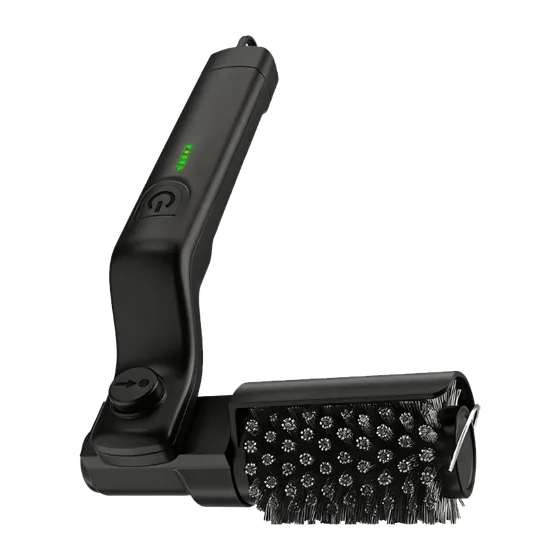
For winter grilling, the Joyhnny CleanLock is the brush we recommend, because it turns the cold-weather clean into a quick pass instead of a long scrub with numb hands. Its motor and rotating head do the work while you guide it along the hot grates, the anchored steel bristles are built not to shed, and the foldable head reaches the corners. It is cordless and charges by USB-C, so it lives by the back door, ready for every cookout, from December roasts to the first spring burgers.
The Joyhnny CleanLock Grill Brush pairs a high-torque motor with a 360° rotating brush head, so you guide it along the grates instead of scrubbing. The adjustable, foldable head reaches corners, the reinforced steel bristles are anchored to prevent shedding, and it charges by USB-C. On the official site it costs $69.99 for one brush (half the regular $139.98) and drops to $37.49 per brush in the 4-pack, with fast shipping and a 30-day money-back guarantee.
Want the details first? Our full Joyhnny CleanLock review covers specs, the comparison with manual tools, prices with shipping and our 4.7/5 verdict.
Frequently asked questions
Can you grill in the winter?
Yes. Gas and charcoal grills work in cold weather as long as you grill outdoors in an open area, clear snow and ice around the grill, allow extra time for preheating and keep the lid closed as much as possible. Never move a grill into a garage, porch or any enclosed space to escape the cold.
Does cold weather affect a propane grill?
Yes. Grills take longer to heat up and use more fuel in the cold; Blue Rhino, a major propane tank supplier, says winter grilling can take up to twice as much fuel as summer grilling. Keep a spare tank, and store tanks outdoors, upright and off wet ground, never inside a home or garage.
How do you keep grill grates from rusting in winter?
Brush the grates while they are hot, then let the grill run a few minutes to drive off moisture. Bare cast iron grates need a thin coat of high-smoke-point oil after cleaning. If you stop grilling for the season, clean the grates, dry them completely and cover the grill.
Should I clean my grill before winter storage?
Yes. Grease and food residue left over winter attract moisture and pests and are harder to remove in spring. Burn off residue, brush the grates, empty the grease tray and ash, then cover the grill and disconnect the propane tank.
How often should you deep clean a grill?
Brush the grates after every cookout, and deep clean (grates soaked and washed, burners and drip tray checked) a few times a season, typically at the start of spring, mid-summer and before winter storage. The calendar in this article spreads the jobs across the year.
Is it safe to grill on a covered porch or in the garage in winter?
No. Fire-safety agencies such as NFPA say propane and charcoal grills should only be used outdoors, away from the house, deck railings and overhanging branches. Grilling in a garage or enclosed porch risks fire and carbon monoxide poisoning.
Sources: National Fire Protection Association (NFPA), grilling safety (propane and charcoal grills outdoors only, away from the home, deck railings and overhanging branches); Blue Rhino, winter grilling tips (clear snow and ice, check for blockages, up to twice the fuel); fire department guidance on propane cylinder storage (never inside buildings or garages). Product details from the official Joyhnny page. Checked November 26, 2026. Always follow your grill’s manual.